


Anxiety is a well-known but poorly understood emotion of the world. It comes silently at times even in form of worry, stress or even excitement. It is an ephemeral thing to some; as life subsides. However, it is an everyday battle that all millions of people have to wrestle with – though, it does not allow them to sleep, it cannot be concentrated at work, it makes relationships difficult and takes the pleasure away.
That is where the anxiety medication comes in. It is not a miracle, nor a manifestation of weakness. Rather it is a device, a scientific discovery, that will allow individuals to rediscover balance, sanity, and control. This guide will discuss all about anxiety medication: the working process, the necessity, the various types of drugs and how it can change the lives when used prudently.
There is no need to struggle with anxiety, to have a loved one, or to just be interested in mental health, this blog will help you cognize the world of anxiety treatment in a clear and compassionate manner.

Learning about Anxiety The Truth of the matter
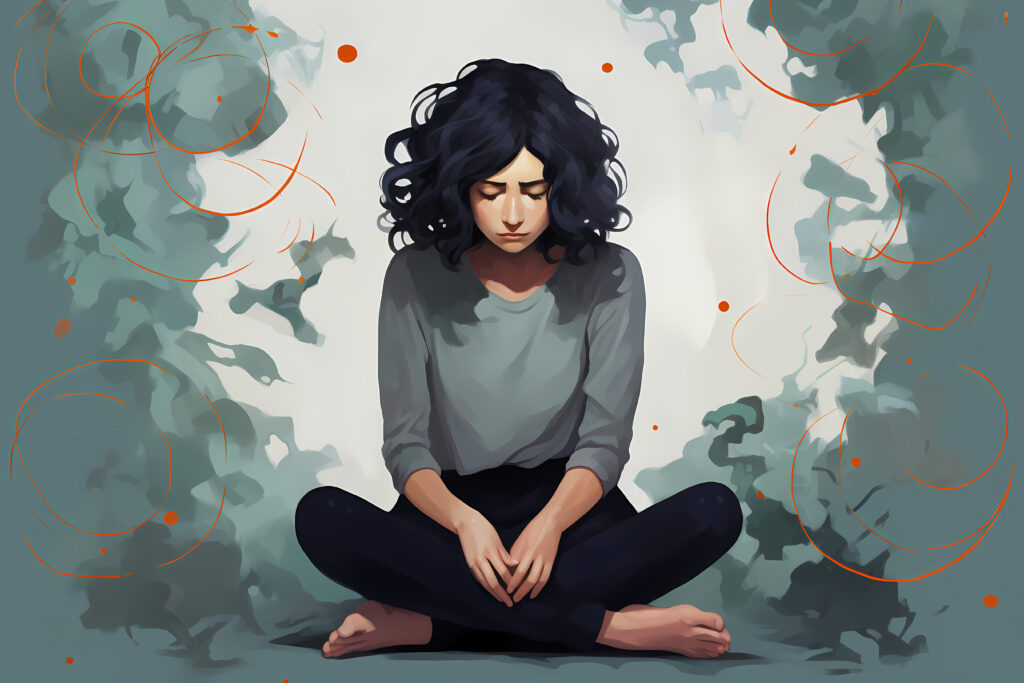
It is necessary to know what anxiety medication is before delving into drugs. Anxiety is not simply a condition that occurs when one feels nervous during an exam or meeting. It is natural reaction of the body to stress, a system of warning, which shows us that we are in danger.
In case anxiety is temporary, it may be useful. It enhances our awareness and makes us ready to challenges. However, once the anxiety medication persists weeks or months without any actual danger, it becomes chronic – and that is when it becomes a mental illness.
Individuals having Generalized Anxiety Disorder (GAD), Panic Disorder or Social Anxiety Disorder commonly have constant fear or worry which lacks control. Their bodies remain in the fight-or-flight mode and result in a symptom of:
- Quickened breaths and increased heart rate.
- Restlessness or fatigue
- Difficulty concentrating
- Muscular tension and irritability.
- Sleep disturbances
Any person can experience these symptoms, irrespective of their age, gender and background. With time, an untreated anxiety may affect the physical health- the headaches, stomach problems, and even a heart problem. This is why it is important to treat them in time.
Anxiety medication does not relieve the original source of anxiety but allows the brain and the body to stabilize and therefore, it is easier to control emotions, practice therapy method, and live a normal life again.
The mechanism of action of Anxiety Medication on the brain
In order to know how the anxiety medication works, you must first be aware of what is going on in your brain when you are anxious. Human brain resembles a complex network of communications consisting of a billions of nerve cells, or neurons. These brain cells communicate with one another via chemical messengers known as neurotransmitters – and in case there is a malfunction in this communication system anxiety medication can get out of control.
When you feel nervous, your brain secretes stress chemicals such as norepinephrine and cortisol that ensure your body is always on a state of alertness. Simultaneously, relaxing amino acids, serotonin and gamma aminobutyric acid (GABA) can get inactive. This disproportion may cause you to be tense, restless, or fearful even at times when you are not in danger.
That is the place where anxiety drugs come in. These are drugs that are used to bring the chemical system in the brain back in balance. They can:
- Stimulate serotonin (to lift the mood and relax)
- Improve GABA (to decrease overactivity and relax the mind) effects.
- Control stress hormones (to avoid panic or nervous overreactions)
Through this, the anxiety medication will enable the brain to reestablish its reaction to stress enabling individuals to think more clearly, sleep better, and undergo therapy or everyday life with less apprehension and tension.
It is worth mentioning that the drugs do not make you feel numb or become someone different. Rather, it induces a feeling of emotional stability – a meditated state of mind in which healing is possible.
Types of Anxiety Drugs
Anxiety cannot be treated in a one size fits all manner. Anxiety medication selection is made by physicians according to your symptoms, medical history as well as your response to treatment. The primary types of anxiety drugs in the modern world are the following:
SSRIs Selective Serotonin Reuptake Inhibitors.
SSRIs are the most widespread drugs used to treat anxiety and depression. The action of stimulating the amount of serotonin in the brain elevates mood and alleviates anxious thoughts, as well. The most famous types of SSRIs are Sertraline (Zoloft), Escitalopram (Lexapro), and Fluoxetine (Prozac). These drugs normally require weeks before they begin to work but are very effective in long term management.
Serotonin Norepinephrine Reuptake Inhibitors (SNRI).
SNRI inhibitors such as Venlafaxine ( Effexor XR ) or Duloxetine ( Cymbalta ) raise the levels of serotonin and norepinephrine. They aid in controlling mood, energy and alertness. SNRIs are usually given when SSRIs fail to be effective.
Benzodiazepines
These rapid acting drugs include Alprazolam (Xanax) and Lorazepam (Ativan) which offer fast acting relief of extreme anxiety or panic attacks. They act by stimulating the activity of GABA, which has a sedative effect. They are however, not advised to be used over a long period due to their dependence or tolerance capacity.
Buspirone
Buspirone (Buspar) is also a possible alternative that will not lead to sedation, dependence, or anxiety reduction. It is suitable to individuals with Generalized Anxiety Disorder and is usually prescribed when the patients are not able to take SSRIs or benzodiazepines.
Beta Blockers
Despite being normally applied to cardiac diseases, beta blockers such as Propranol may be utilized in the management of physical effects of anxiety trembling, high heart rate and sweating. They come in handy particularly when it comes to performance anxiety or social phobia.
All anxiety medicines affect the brain slightly differently and it can take a little time and trial and error before the correct one is found. This is why medical advice is so essential, the correct amount, time and observation can be the difference.
Selecting the Appropriate Anxiety Drug
There is no quick fix in the quest to find the right anxiety drug and it is a process. Body chemistry of every individual, lifestyle and mental history are all different and it implies that what miraculously works on a given individual does not necessarily do the same to a different individual.
The doctors will usually start off discussing your symptoms, medical history and past experiences with the medications. They might also take into consideration the quality of sleep, the level of stress and other co existing illnesses like depression or chronic pain. Having considered all this, they will propose a drug that will suit your needs.
The following are just some of the main considerations that are usually made by doctors and patients:
Symptom Type and Severity
In case you experience panic attacks regularly, you can start with a quick acting drug such as benzodiazepine. But when you have persistent symptoms and very slight to moderate, then the SSRIs or SNRIs can be a good choice since it is safer to take them long term.
Possible Side Effects
Any drug possesses adverse effects. E.g. SSRIs may cause nausea initially, whereas benzodiazepines may cause drowsiness. Instead, physicians balance these effects on benefits and carefully increase or reduce dosages in order to reduce discomfort.
Co Existing Conditions
A few individuals experience anxiety and depression, whereas others can have chronic pain, insomnia, or ADHD. Some drugs are able to treat more than one condition, e.g. SNRIs are able to treat anxiety and chronic pain.
Past History of Response to Medication
Your doctor will check what was effective and what was not in case you tried anxiety medications previously. This assists them to either make a decision to change to another drug group or increase or reduce the dosage of an existing one.
The Personal Taste and Style
There are those who would like non sedating drugs since they are required to attend work or school. Something that can make them sleep better may be preferred by other people. Sharing your lifestyle and your issues will assist your doctor in tailoring your treatment.
The key factor to make is that when you open up to your medical professional, you are likely to accomplish more. Do not change or quit any medication without consulting your doctor – You will get withdrawal effects or become more anxious temporarily.
Side Effects and How to deal with them
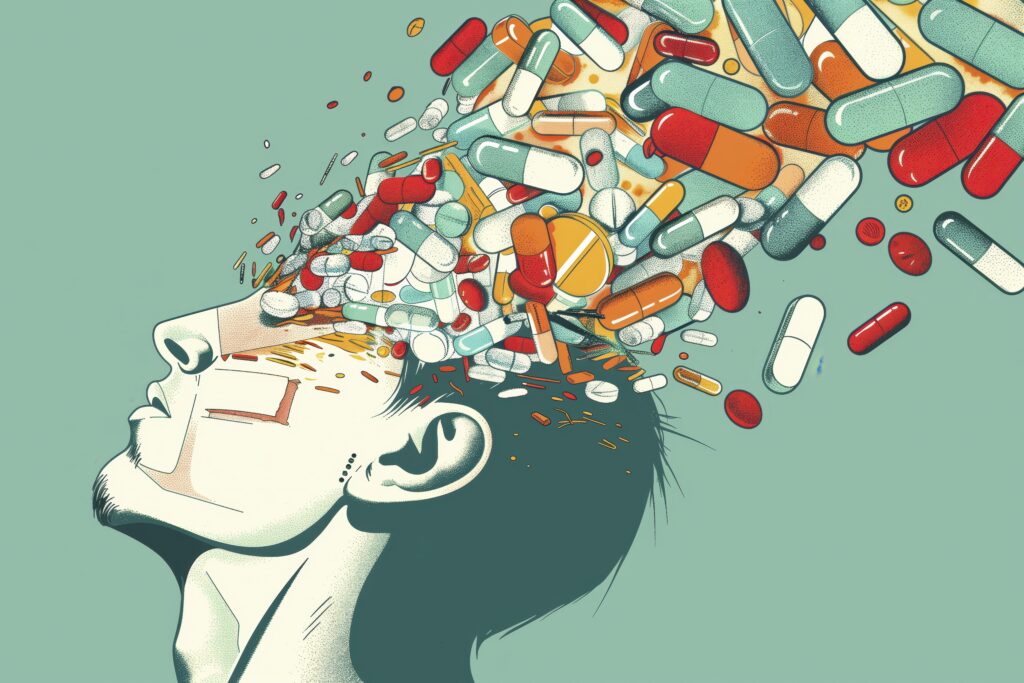
Although the use of anxiety medications is on the whole effective and safe, there are side effects that may accompany it, particularly during the initial weeks of administration. The positive news is that most of the side effects are short term and dissolve away as your body acclimatizes. Knowing about the experience will allow reducing the stress during the experience and better coping with it.
The following are some of the side effects that are usually related to anxiety drugs and how they can be easily controlled:
Mild Nausea or Upset Stomach
This normally occurs with SSRIs or SNRIs during the initial days of using them. Attempt to take medication after meals and consume a lot of water. Another way is taking smaller meals more often.
Drowsiness or Fatigue
Drowsiness may be brought about by some form of anxiety medication particularly benzodiazepines. In case this occurs, you should not drive or use heavy machinery until you are aware of the effect that the medicine has on you. You can take your dose at bedtime to decrease fatigue during the day.
Sleep Problems
Some drugs cause you to sleepy but others might induce insomnia in the beginning. In case this happens, talk to your doctor about whether you should change the dose, or change the time. Good sleep hygiene (such as limiting screen time and caffeine) is also beneficial.
Dry Mouth or Headaches
Both are prevalent in the process of adaptation to a new drug. Dry mouth can be alleviated by sipping water during the day, chewing sugar free gum and keeping hydrated. In the case of headaches, resting, rehydrating, and taking pain relievers that are over the counter can be effective, however, always consult your doctor.
Flatness or Numbness of Emotions
Other individuals complain that they experience emotional coldness when using particular antidepressants. In such a case, do not break down immediately, talk to your doctor. They are able to change your dosage or experiment with another drug which does not make you dead-eyed.
Weight Changes
Other drugs may have minimal impacts on appetite or metabolism. Balanced meals, regular exercising, and weight tracking at the initial stages can prevent the long term problems.
Most side effects can be tolerated with time as your body is used to them, however, when it continues or disrupts your daily routine, then you need to discuss with your healthcare provider. They are also able to optimize the dose or prescribe another one or prescribe lifestyle changes that will help you overcome your treatment easier and more comfortably.
Anxiety Duration of Medicine Effect
It is among the most common questions that an individual poses when he or she starts taking anxiety medication pills; when will I feel better? It is a healthy concern, because when you are actually becoming worried, you would wish to be relieved within the least amount of time possible. This is because the outcome of anxiety medicine is dependent on the kind of medication taken, bio-chemistry and consistency of use.
Short-term vs Long-term
1 vs 2
Effects of certain drugs like benzodiazepines are nearly instantaneous, most of them in the range of 30 minutes to 1 hour. They act quickly in cases of panicking besides reducing the acute anxiety and consequently they are applicable both in short-term and emergency situations.
SSRI and SNRIs on the other part are time consuming. They must build up in your system and assist in slowly re-establishing the neurotransmitters in your brain. The majority of the people start feeling the improvements after 2-4 weeks and the entire benefits are arrived at after 6-8 weeks.
The Process of Patience
The waiting to see result can also be a frustrating process especially when you are surviving day in day out. But patience truly pays off. The initial weeks will be a period whereby your body is getting to the new path taken by the drug and it is a chemical. The things might have minor side effects before they begin to even the playing field.
Doctors will have the tendency of starting with a minimal dose and then gradually increasing as time goes by in order to reduce the pain. This gradual process helps in making your body adapt to it naturally and it minimizes negative reactions. And it is also the reason why the regularity is imperative since a gap in doses or an immediate discontinuation can disorganize the work and worsen the symptoms.
Signs That It’s Working
Once you start seeing that you are getting small yet important changes, then you will realize your anxiety medication is functioning:
- You sleep more peacefully.
- Your head does not appear so burdened.
- Panics decrease or diminish.
- You are more in touch with your emotions.
All these slow improvements are a pointer that your brain is healing. One should remember that medication is not the destruction of stress and absence of emotions; it is the ability to get control and become strong again to endure life once again.
Combination of Therapy and Medicine as a method of improving outcomes
It is not all about anxiety medication but there are efforts which can be undertaken through it. The combination of anxiety medication and therapy has always yielded the most desirable results to treat anxiety especially Cognitive Behavioral Therapy (CBT) or any other evidence based approach.
The stabilizer is the anxiety medication and the builder is the therapy. Anxiety medication also calms the tempest within your head allowing you to think clearly, whereas therapy allows you to organize your thoughts, retrain them, identify what triggers and develop more healthy coping behaviors.
Why the Combination is So Effective.
- Anxiety Medication reduces the symptoms – It balances the brain chemistry and gives you the space in your head to think and learn new skills.
- The therapy changes the way of thinking – CBT among others will instruct you to respond to anxious thoughts and circumstances in a different way.
- Long term healing – This is because anxiety medication is administered to control sufferings yet therapy is administered to address the cause of anxiety which lowers chances of recovery.
These were normal types of therapy that are supplemental to medicine.
- Cognitive Behavioral Therapy (CBT): This will help in the identification and refutation of irrational or negative thoughts patterns causing anxiety.
- Mindfulness Based Therapy: It is the one that is concerned with the present and not with the evaluation of the thought thereby reducing overthinking and stress.
- Exposure Therapy: This is the one that introduces you to what you fear but in a safe setting and this causes your brain to un-condition itself to fear.
- Acceptance and commit Therapy (ACT): It is a type of therapy that acts in favor of self acceptance and focuses on value actions in spite of the apprehensive thought.
Creation of a Customized Schedule
Every individual responds differently and therefore the best treatment intervention is normally a teamwork. In collaboration with your doctor, therapist as well as even your family members, they can come up with a plan that fits you. One can also make check-ins regularly in order to modify the dosage, talk about the therapy progress and give emotional support.
When the anxiety medication and therapy go together, they leave a strong frontier to the road to recovery – one that does not just treat the chemistry of the brain but the attitude of the mind. Over time, the majority can decrease the amount of anxiety medication consumed or even non-medication with the aid of the skills they gained in the course of the therapy.
Anxiety Medication Life Change
Introduction to anxiety medication may be seen as a new beginning in life, full of desire and fear. To a great number of people, the change starts in silence. It does not happen that one day it is one way, the next day it is another way, but it is a gradual transformation in which little things begin to accumulate.

A Better Head and Less Gay Imaginations
When the drug harmonizes the chemical messages of the brain, most individuals find their ideas less disorganized. The nagging what if concerns start to dissipate and are substituted by the feeling of control and clarity. You begin to understand that, peace does not mean living a life without stress, but having the means to confront a challenge without being overwhelmed by it.
Better Relatives and Attention
The relationship tends to get better when the levels of anxiety are dropped. You are able to hear better, answer and talk back without having the slightest bit of fear or annoyance. It also tends to influence work performance and study habits since you are finally free to concentrate on the job without thoughts of anxiety and restlessness pulling you back.
Healthier Sleep and Better Physical Health
Your body will start following you as your mind calms down. Sleep is regained, appetite becomes normal and physical symptoms, such as muscle tension, headaches, or stomach problems begin to subside. This boost of physical wellbeing eventually strengthens your emotional state of balance – a positive recovery loop.
Renewed Confidence
To restore self confidence is perhaps the best change of all. Fear can always make you believe that you are helpless or not perfect. Only to find that with medication, you are able to stabilize your mood, thus you are able to reconnect with your strengths, passions and enjoy life once more. A lot of people complain that they feel like themselves, as they have not been feeling like that in a long time.
Keep in mind, it is not necessarily a straight line of progress. It is possible that there are days when anxiety comes again and it is all right. There is no race in healing. It is only important that you make every single step even though it may be so small so that you are closer to peace.
When and How to Discontinue the Anxiety Drugs Safely
As with the initiation of anxiety medication, so with termination. Lots of them someday even come to a stage when they question whether they are still in need of anxiety medication, particularly when they feel fine after several months or years. It is a good question, yet one to be taken gradually and with the care of the medical profession.
Never Stop Abruptly
Withdrawal or a lapse to anxiety can affect when anxiety medication is suddenly stopped. It takes time before the brain can adapt once it has been used to the level of other chemicals. With sudden withdrawal, one may experience dizziness, irritability, headaches or problems sleeping.
Cooperate and Get on With Your Doctor
Should you be willing to quit, consult your healthcare provider first. They will determine when it is the right time depending on the progress made, lifestyle, and emotional stability. They will then assist you to wean yourself off the drug in a slow manner – by lowering the dose by bits until your head will have adjusted to it.
Add Supportive Habits
During the process of going off anxiety medication, good habits become of paramount importance. Your brain needs to be in balance all the time, and therapy, a routine, physical activity, and mindfulness would all help. These are good steps that lessen the chances of relapsing and maintain emotional health.
Child Acceptance That It is Alright to Forge Ahead
It is possible at times to resume symptoms despite trying to taper off. It is not failure, it is just your body telling you that it still needs a bit of additional assistance. Anxiety medication is safe and successful in the long term use by many people. How you feel will be the most important thing but not the duration you take.
The moral of the story is that you must never make drug decisions alone. The advice provided by your doctor is safe and best in terms of chance to maintain your stability and preserve long term well being anxiety medication.
Conclusion to the book
Anxiety medication is not a panacea, it is an intermediate. A pathway between the false sense of safety and fearing every moment, and the safety of cool reasoning. It makes you take charge, to breathe more comfortably, and to create again a life that seems safe and promising.

In this process, it is important to keep in mind that healing is not just a matter of medication or counseling. It is also about knowing how to be patient with yourself and knowing when to get a helping hand. There will be days when you will feel that you are progressing and there will be a day that you will feel that you are making a setback but with each step you will be making a difference.
Regardless of the choice of anxiety medication, therapy or natural ways or a combination of all, the purpose is the same; peace of mind and a life without the worry every minute.
Then here is one of the things to think about now–
What would your life be like when you were no longer subject to anxiety?
The solution to that question could even be the first step towards the healing.
Learn MoreMore Blogs
